Common Toxic Foods and Their Effects on Pet Health in Nigeria
Understanding the Risks of Feeding Pets Toxic Foods
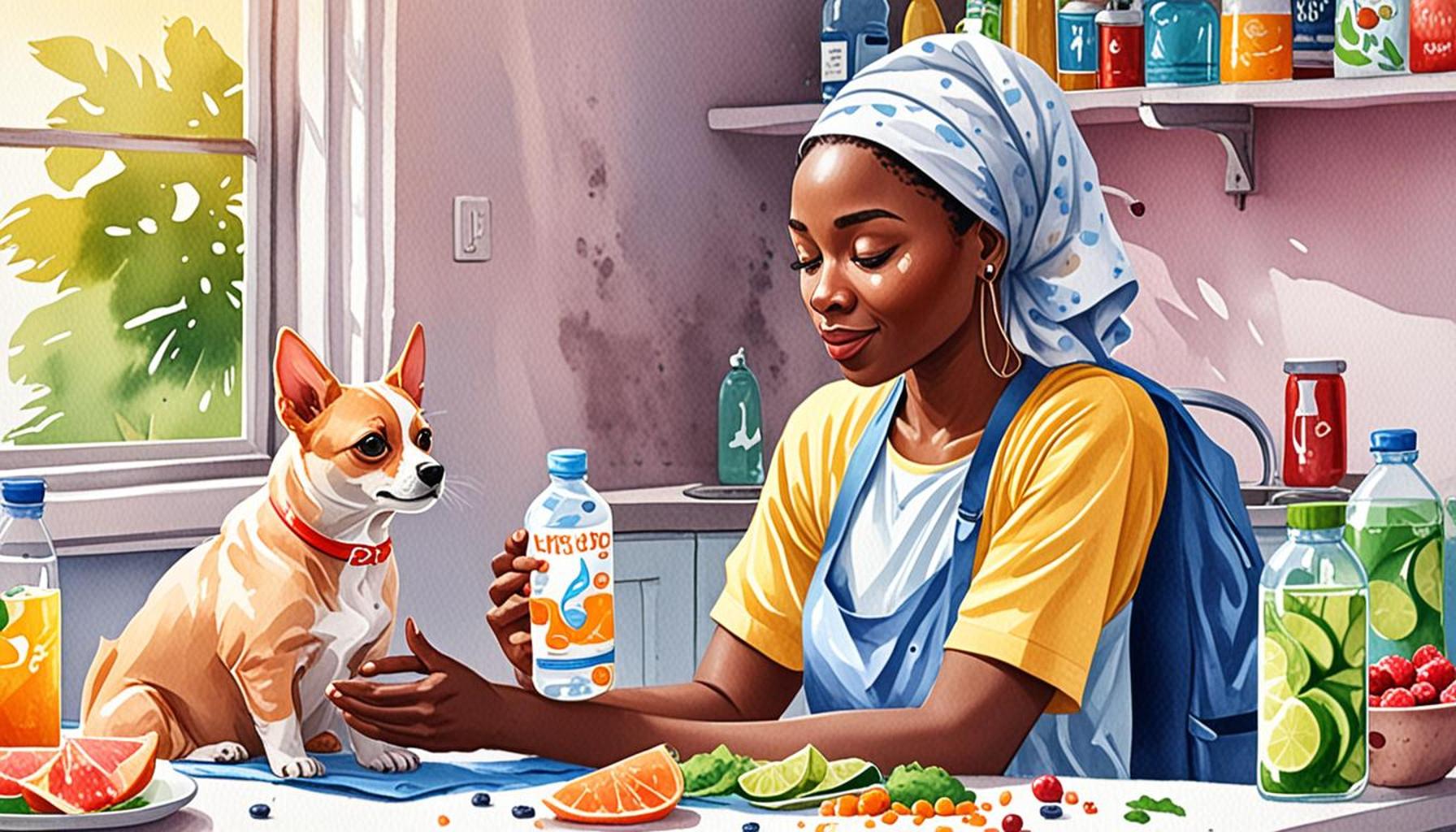
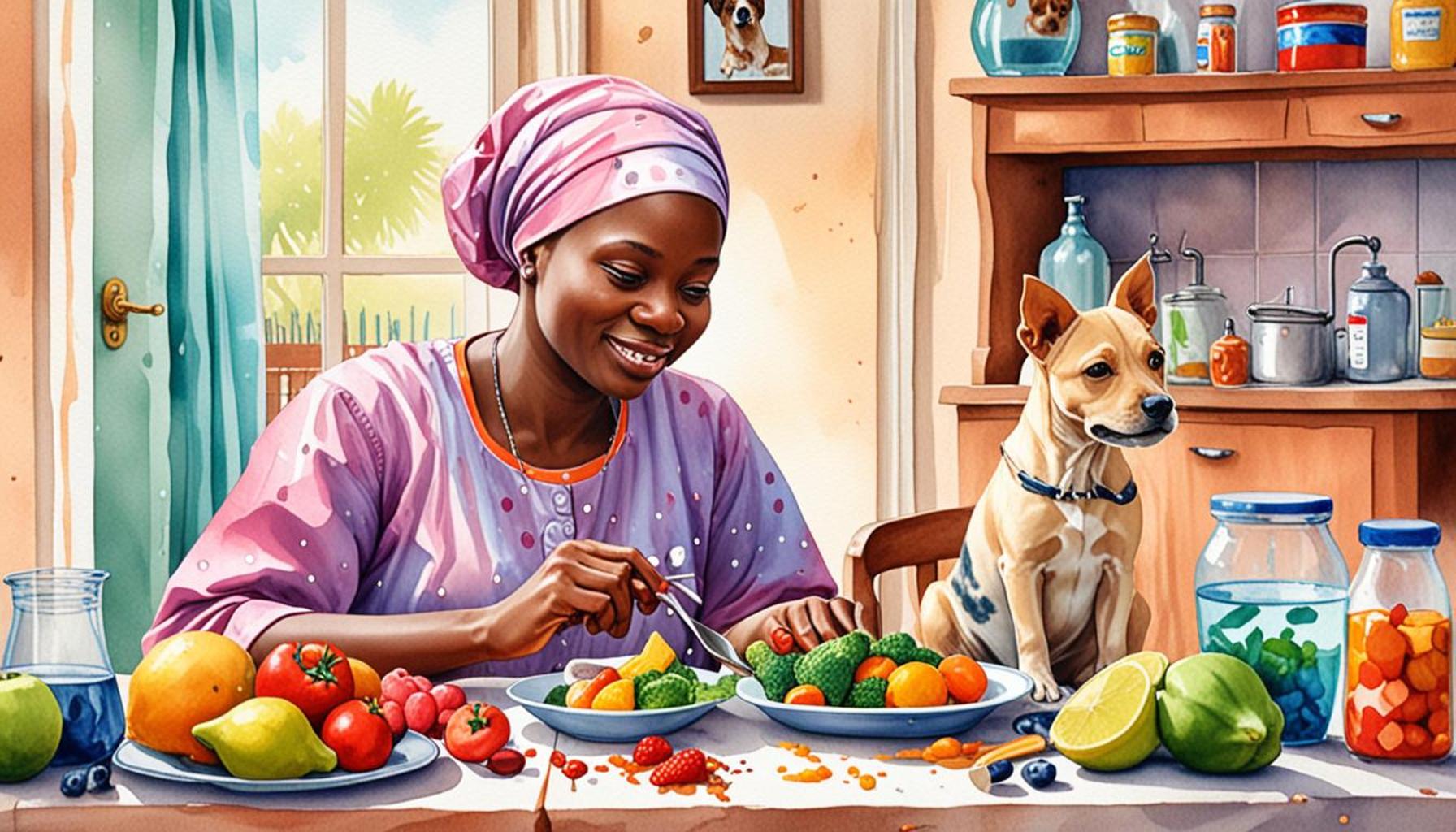
Many pet owners in Nigeria, out of love and a desire to share their meals, may unknowingly offer their furry friends foods that can be harmful or even deadly. It’s a common sight to see pets begging for scraps from the dining table or sneaking bites of food when their owners aren’t watching. However, it is essential to be informed about which human foods are safe and which can pose serious risks to our pets’ health.
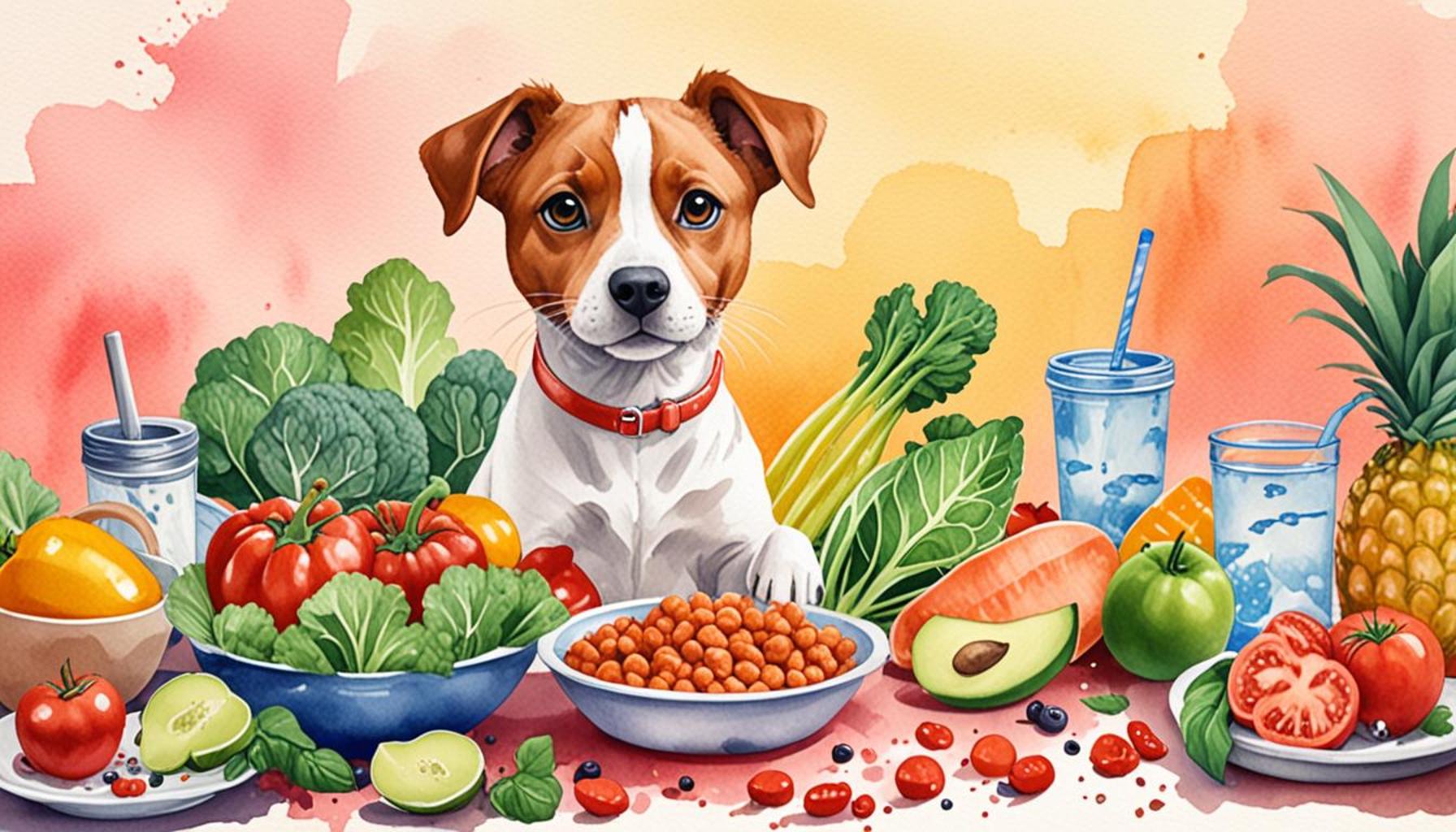
Pets, especially dogs and cats, can experience severe health issues from consuming toxic substances. The negative effects can range from mild gastrointestinal distress to life-threatening conditions. Here are some common foods that are known to pose significant risks to pets:
- Chocolate: A treat that many enjoy, chocolate contains theobromine, a compound that can be fatal for pets. Symptoms of chocolate poisoning include vomiting, increased heart rate, and seizures. Even small amounts can cause serious problems, so it’s important to keep any chocolate products well out of reach.
- Onions and Garlic: These common kitchen staples, often used to enhance flavor, can severely damage a pet’s red blood cells, leading to anemia. Signs of onion or garlic toxicity can include weakness, lethargy, and a distinctive garlic odor on the breath. It’s worth noting that both raw and cooked forms can pose a risk.
- Avocado: While the creamy texture of avocado makes it a popular choice for human diets, it contains persin, a substance that can cause gastrointestinal upset and heart damage in pets. Symptoms may include vomiting and diarrhea, making it an unsuitable snack for your furry friends.
- Grapes and Raisins: Surprisingly, these seemingly innocuous fruits can lead to acute kidney failure in pets. Although the exact substance causing the toxicity is unknown, it is critical to avoid giving grapes and raisins to dogs, as even a small quantity can lead to serious health issues.
- Nuts: Certain varieties of nuts, particularly macadamia nuts, have been shown to be highly toxic to dogs. Ingesting these nuts can result in symptoms like tremors, weakness, and even hyperthermia, potentially leading to serious complications.
Beyond recognizing these dangerous foods, it’s vital for pet owners to foster an environment of education and awareness. By understanding which foods can negatively impact their pets’ health, they can make informed decisions and avoid common pitfalls. In Nigeria, where cultural practices may often invite sharing food with pets, educating families about these toxic options becomes even more critical for the well-being of their beloved companions.
Moreover, apart from avoiding toxic foods, pet owners should ensure their pets have access to a balanced diet that’s appropriate for their specific needs. Investing in quality pet food and consulting with veterinarians for dietary guidance can go a long way in maintaining their health. By taking these proactive steps, pet owners can contribute positively to their pets’ lives, minimizing risks and maximizing the joy they bring into the family.
Recognizing Potential Dangers in Everyday Foods
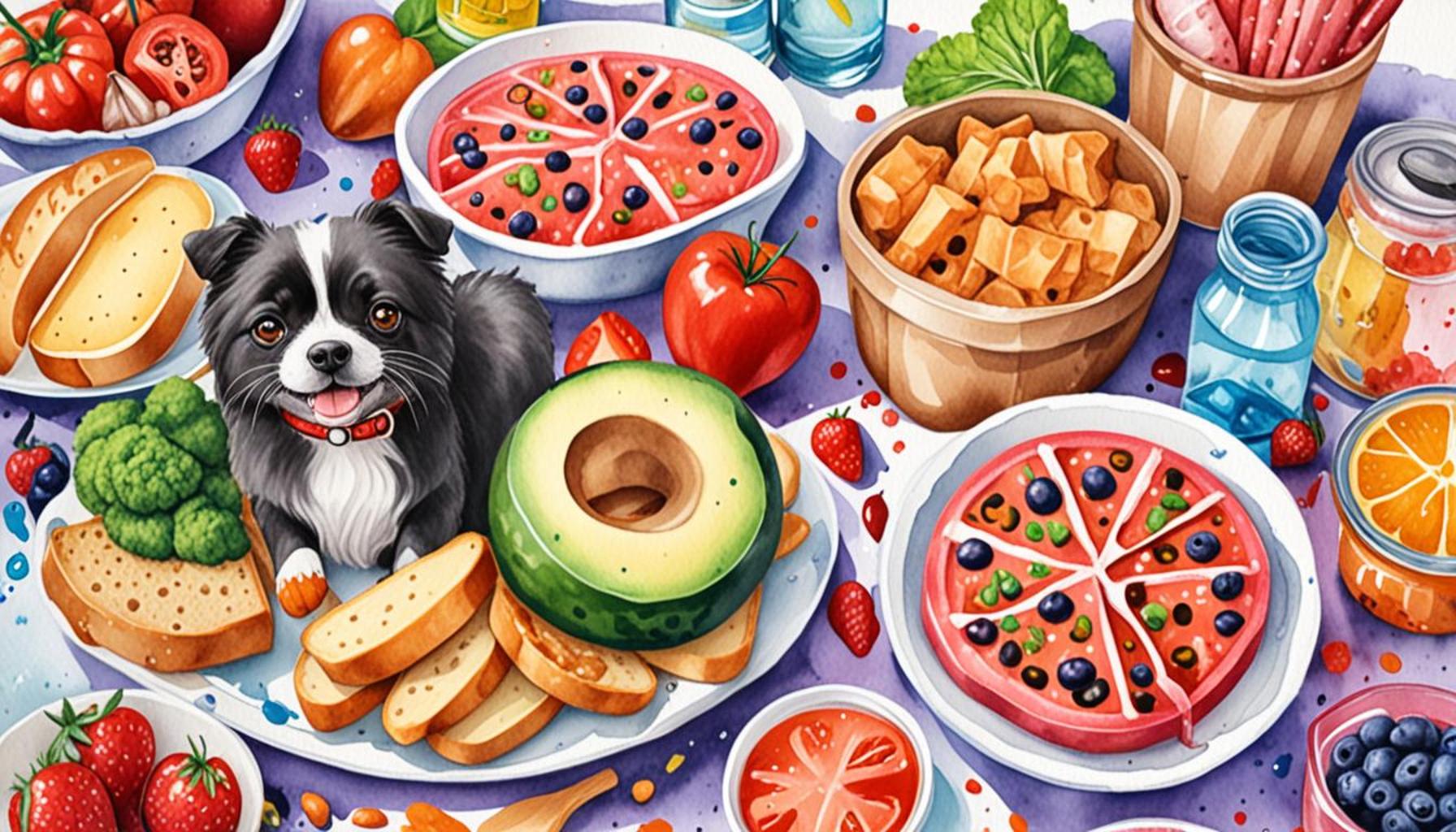
In Nigerian households, sharing food with pets is often seen as a gesture of love and care. However, this well-meaning practice can lead to unintended consequences when it comes to pet health. Many common foods, while harmless or nutritious for humans, can pose serious threats to pets—especially dogs and cats. Awareness of these dangerous foods is crucial for any responsible pet owner who wants to keep their animal companions safe and healthy.
To cultivate a safer environment for pets, here are several common, yet toxic foods that should never find their way into your pet’s diet:
- Caffeine: Just like chocolate, caffeine is another central nervous system stimulant that can have disastrous effects on pets. Found in coffee, tea, and some energy drinks, caffeine can lead to restlessness, rapid heart rates, and, in severe cases, coma or death. It’s essential to ensure that any caffeinated products are securely stored away from pets.
- Cooked Bones: While it may be tempting to give your dog leftover bones from dinner, cooked bones can splinter and cause serious internal injuries or blockages. Instead, consider safer options like specially designed chew toys or raw bones under strict supervision.
- Xylitol: This artificial sweetener, commonly found in sugar-free gums and candies, is incredibly toxic to dogs. Ingesting xylitol can trigger insulin release, leading to dangerously low blood sugar levels and even liver failure. For pet owners, it’s vital to read labels carefully and avoid any products containing this ingredient.
- Tomatoes and Potatoes: The green parts of tomatoes and potatoes contain solanine, a substance that can be toxic to pets. Although ripe tomatoes and cooked potatoes are generally safe for pets, the green stems, leaves, and raw forms can cause gastrointestinal upset. Always ensure that these foods are prepared in a pet-friendly manner.
- Alcohol: Even small amounts of alcohol can have a pronounced effect on pets, leading to symptoms like vomiting, difficulty breathing, and changes in body temperature. Alcoholic beverages, including beer and wine, should be kept well away from pets to prevent accidental ingestion.
Understanding these toxic foods is just the starting point for pet owners in Nigeria. Beyond just eliminating these items from their pets’ diets, it’s important to consider the cultural habits that may inadvertently expose animals to these risks. Promoting awareness among families about which foods are harmful is vital, especially in communities where sharing meals is a common practice.
Moreover, consulting with local veterinarians can help pet owners navigate diet choices that cater specifically to their pets’ needs. From providing balanced nutrition to understanding the implications of feeding certain human foods, informed decisions can drastically improve the health and well-being of pets across Nigeria.
Common Toxic Foods and Their Effects on Pet Health in Nigeria
Pet owners in Nigeria should be aware of common toxic foods that can severely impact the health of their beloved animals. Many pet owners may unknowingly offer certain human foods to their pets, thinking they are harmless. However, the consequences can be dire, ranging from minor illnesses to life-threatening conditions. Here, we will explore some of the more prevalent toxic foods and their specific effects on pets. It is pivotal for pet owners to be informed about these dangers to ensure their pets live healthy, thriving lives.
Understanding the Risks
Among the common offenders are foods like chocolate, which contains theobromine, a substance that pets, especially dogs, struggle to metabolize. Consumption can lead to symptoms such as vomiting, diarrhea, increased heart rate, and seizures. Grapes and raisins pose a significant threat too. Even small amounts can result in kidney failure in dogs. Moving on to onions and garlic, these alliums can cause oxidative damage to red blood cells in pets, leading to hemolytic anemia. Symptoms to watch for include weakness, lethargy, and unusual dark-colored urine.To further enhance your understanding, consider the following table that outlines various toxic foods and their impacts on pet health in Nigeria:
| Toxic Food | Health Effects |
|---|---|
| Chocolate | Can lead to vomiting, diarrhea, and seizures. |
| Grapes/Raisins | Can cause acute kidney failure. |
| Onions/Garlic | Leads to hemolytic anemia in pets. |
| Avocado | Can cause vomiting and diarrhea. |
This table underscores how essential it is for pet owners to be diligent in their feeding practices. Ensuring awareness of the harmful effects of these foods will not only safeguard pets’ health but will also bring peace of mind to their families. By remaining educated about pet nutrition and potential dangers, owners can foster a healthier environment for their furry companions.
Expanding Awareness: Hidden Dangers in Common Household Foods
In Nigeria, where communal dining is a cherished cultural tradition, it is crucial for pet owners to remain vigilant about the foods that might inadvertently harm their furry friends. Beyond well-known toxic items, several everyday foods can also present latent dangers to pets. Many pet owners may be unaware of the specific hazards associated with these seemingly innocuous foods, making education paramount.
One such food is onions and garlic. These ingredients, commonly used in Nigerian cooking, contain compounds that can damage a pet’s red blood cells, leading to a condition known as hemolytic anemia. While the effects may not be immediate, even small quantities over time can accumulate to a toxic level. Pet owners who indulge in sharing leftover dishes should be cautious about these ingredients and consider alternatives when preparing meals.
- Avocado: Known for its health benefits for humans, avocado contains a substance called persin, which can be toxic to pets, particularly dogs. The flesh, skin, and seed of the fruit can cause vomiting and diarrhea, and in more severe cases, it could lead to heart damage. Awareness about this fruit’s harmful properties is critical, especially as it gains popularity in local diets.
- Grapes and Raisins: Often enjoyed as snacks or used in various dishes, grapes and raisins are notoriously toxic to dogs. Even a small amount can result in kidney failure, making it crucial for owners to eliminate these fruits from their pets’ reach. The exact substance in these fruits that causes poisoning remains unidentified, but the repercussions are too severe to ignore.
- Yeast Dough: Commonly used for baking bread, raw yeast and its dough can expand in a pet’s stomach, causing painful bloating or even gastric torsion. Additionally, as the yeast ferments, it produces alcohol, leading to intoxication. Keeping an eye on kitchen areas and ensuring that pets do not help themselves is essential to prevent such risks.
- Nutmeg: A common spice in various Nigerian dishes, nutmeg can lead to severe side effects in pets including tremors, seizures, and even hallucinations. Usually resulting from large amounts, it is still advisable for pet owners to refrain from cooking with nutmeg if they have pets at home.
- Fat Trimmings and Cooked Meat: While it may seem nice to offer pets scraps from the table, fatty foods can result in gastrointestinal upset and potentially lead to pancreatitis, a dangerous condition characterized by severe abdominal pain and vomiting. Be particularly cautious with rich and spicy meat dishes, as they can be harmful to pets.
With these additional toxic foods, responsible pet ownership in Nigeria involves not just prohibiting harmful items but also actively educating family and friends about these dangers. Engaging in discussions about pet health can play a significant role in protecting neighborhood animals and spreading awareness. Social media platforms are also an excellent tool for sharing resources and insights with fellow pet owners.
Furthermore, promoting the adoption of safer food practices can create a collective initiative for reducing pet health risks. Incorporating pet-friendly treats and educating household members on proper pet nutrition can foster an environment where pets thrive. Collaboration with local veterinarians to hold workshops and community events can further enhance awareness, ensuring a healthier future for our beloved companions across Nigeria.
Conclusion: Safeguarding Pet Health in Nigeria
As pet ownership continues to grow in Nigeria, it is vital for caregivers to become well-informed about the common toxic foods that can jeopardize pet health. The dangers posed by seemingly harmless household staples like onions, garlic, avocado, grapes, and nutmeg emphasize the importance of understanding food safety for our pets. With conditions such as hemolytic anemia, kidney failure, and poisoning looming over the unsuspecting pet, awareness and education cannot be overstated.
Ultimately, responsible pet ownership goes beyond the act of merely providing food and shelter; it involves a diligent commitment to ensuring that our furry companions remain safe and healthy. Engaging the community through discussions and workshops, as well as utilizing social media to disseminate knowledge, can cultivate a culture of safety around pet care.
As we champion the adoption of pet-friendly nutrition and advocate for proper dietary practices, every effort counts in securing the well-being of our four-legged friends. We must collectively strive to create a safer food environment for pets, ensuring that public awareness is raised and that pet owners are equipped with the knowledge necessary to protect their beloved companions in Nigeria.
By nurturing a culture of vigilance regarding toxic foods and promoting healthier alternatives, we can pave the way for a brighter and healthier future for pets across the nation. It is time for pet owners to take action, educate themselves, and make informed choices that will result in the happiness and longevity of their cherished pets.