
Cat Nutrition Ensure a Balanced and Nutritious Diet for Your Pet
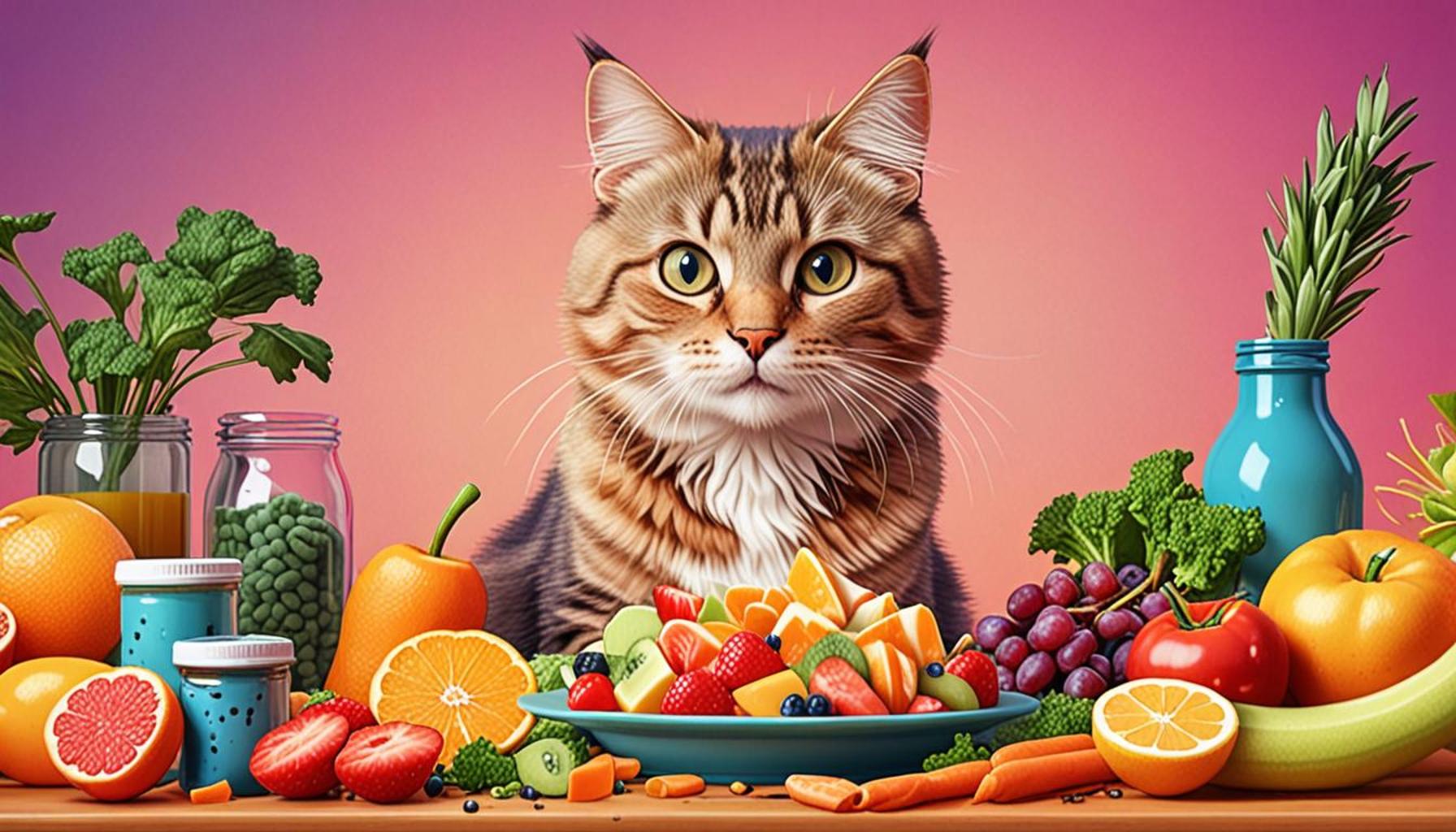
Understanding the right nutrition for cats is crucial for their overall health and well-being. Just like humans, our feline friends require a balanced diet to thrive, impacting their energy levels, coat health, and longevity.
With the plethora of cat food options available, pet owners often feel overwhelmed by choices that may not suit their furry companions’ specific needs. This article will explore key factors in formulating a nutritious diet and highlight the Top 5 essentials to consider when feeding your cat.
- Life stage considerations: Kittens, adults, and seniors all have different nutritional requirements.
- Protein sources: Cats are obligate carnivores, and protein is vital for their health.
- Hydration: Understanding the importance of water intake can prevent issues like urinary tract problems.
- Preventive health: A well-rounded diet can help prevent obesity and other diseases.
- Ingredients to avoid: Knowing what is harmful is just as important as knowing what is beneficial.
Prepare to dive deeper into how you can ensure your feline friend is getting the nutrients they need for a happy and healthy life.
Top 5 Tips for Ensuring a Balanced and Nutritious Diet for Cats
Feeding your feline friend the right diet can be a daunting task, especially with the multitude of options available today. Ensuring a balanced and nutritious diet is crucial for your cat’s health, longevity, and overall quality of life. Join us as we count down the top five essential tips for cat nutrition.
5. Understand Your Cat’s Nutritional Needs
The foundation of a healthy diet begins with understanding what your cat needs. Unlike humans, cats are obligate carnivores, meaning that a substantial portion of their diet should come from animal-based proteins. This is due to their evolutionary development as hunters, requiring nutrients found predominantly in meat. A balanced cat diet should include:

- High-quality protein sources such as chicken, turkey, or fish, which provide essential amino acids and support muscle maintenance and growth.
- Vitamins and minerals, particularly taurine, an amino acid vital for heart function, vision, and reproduction. Cats cannot synthesize taurine from other amino acids and must obtain it through their diet.
- Essential fatty acids, notably Omega-3 and Omega-6, which promote a healthy coat, reduce inflammation, and support brain health.
Cat owners should tailor these nutritional principles to factors like age, lifestyle, and health conditions. For instance, kittens have higher calorie and nutrient needs compared to adult cats, requiring a diet rich in proteins and fats to fuel their growth. Seniors may need fewer calories but additional support for joint health. By understanding these dietary nuances, cat owners can significantly improve their pets’ health and vitality.
4. Choose Quality over Quantity
When it comes to cat food, the proverb “you get what you pay for” rings true. Investing in high-quality commercial foods is crucial for maintaining your cat’s optimal health. Quality cat foods often feature:
- Real meat as the first ingredient, indicating that protein from animal sources is the primary component of the food, rather than fillers like corn or soy.
- No artificial preservatives, colors, or flavors, reducing the risk of allergic reactions and digestive issues.
- Clearly stated nutritional values and AAFCO (Association of American Feed Control Officials) approval, ensuring the food meets established nutritional standards.
Premium cat foods can result in less waste because they contain high-quality ingredients that are more digestible. This means cats can extract more nutrients from each meal, leading to a healthier digestive system and better overall health.
3. Consider Home-cooked Meals
In recent years, many pet owners have turned to home-cooked meals as an alternative to commercial diets, driven by a desire to control exactly what ingredients their pets consume. While this can be beneficial, it’s paramount that these meals remain nutritionally balanced. Here are some guidelines:
- Always consult with a veterinarian or a pet nutritionist before making substantial dietary changes. These professionals can help design a balanced diet plan and recommend necessary supplements.
- Ensure variety in the diet by including different meats, some safe vegetables, and essential supplements. This diversity helps prevent nutritional deficiencies.
- Avoid foods toxic to cats, including onions, garlic, and chocolate. These ingredients can cause serious health issues, from gastrointestinal upset to anemia.
Home-cooked meals offer the advantage of personalization, allowing cat owners to cater to specific dietary preferences or address allergies and sensitivities. Nonetheless, meticulous planning and research are imperative to ensure comprehensive nutrition.
2. Hydration is Key
While proper nutrition is foundational, hydration is equally critical in maintaining a cat’s well-being. Cats, stemming from desert-dwelling ancestors, have a low thirst drive and often obtain much of their water from the prey they consume. To ensure they remain hydrated, consider these strategies:
- Always provide fresh water daily and change it often to encourage drinking.
- Incorporate wet cat food into their diet, as it contains higher moisture content, aiding in hydration.
- Invest in a cat water fountain to entice them, as flowing water usually attracts cats more than stagnant water in a bowl.
Adequate hydration is crucial in preventing urinary tract problems and supporting healthy kidney function. These health elements are vital for preventing more severe conditions like kidney disease, which is common in cats.
1. Regular Vet Check-ups for Dietary Guidance
Your final and most critical tip is to schedule regular veterinary check-ups. These visits are more than mere formalities; they are an opportunity for personalized dietary guidance based on your cat’s changing needs. Veterinary check-ups can assist in:
- Monitoring your cat’s weight, a vital part of preventing obesity, which can lead to diabetes and joint problems.
- Early detection of potential health issues, allowing for prompt intervention and management.
- Creating a customized dietary plan tailored to your cat’s age, activity level, and specific health concerns. Adapting the diet as cats age is essential for maintaining quality of life.
Veterinary insights can provide the edge in achieving and maintaining optimal health for your feline companion, thereby extending their lifespan and enhancing their quality of life.
With these recommendations, you now have a comprehensive understanding of how to ensure your cat gets a balanced and nourishing diet. Remember, consult professionals and continuously educate yourself for the best care practices. Happy feeding!
| Category | Key Features |
|---|---|
| Protein Sources | A balanced diet for cats should include high-quality protein sources like chicken, beef, and fish. These proteins are crucial for muscle development and overall health. |
| Vitamins and Minerals | Incorporating vitamins such as A and E, along with essential minerals like calcium and phosphorus, supports various bodily functions, including vision and bone health. |
| Hydration | Cats need sufficient hydration which can be achieved through both wet food and fresh water. Proper hydration aids in kidney function and can prevent urinary tract issues. |
| Grain-Free Options | For some cats, a grain-free diet can prevent digestive issues and allergies, enhancing their overall well-being while ensuring they get nutrients from more digestible sources. |
Providing cats with a balanced and nutritious diet is essential for promoting their well-being. Understanding the fundamental categories of their dietary needs can empower cat owners to make informed decisions. For instance, the incorporation of high-quality protein sources has been linked to improved energy levels and vitality in felines. Many experts highlight the significance of a diet rich in animal proteins since cats are obligate carnivores. Additionally, ensuring their diet is supplemented with the right balance of vitamins and minerals can help maintain their immune system and overall function.Hydration is another critical aspect, often overlooked. Cats that do not drink sufficient water may face various health challenges, including kidney disease. It may be beneficial to offer fresh water regularly and consider hydrating food options that can make a positive difference in their health.Finally, exploring grain-free diets could prove beneficial for some cats, especially those with sensitivities. Research has suggested that many cats thrive on diets that prioritize animal fats and proteins over grains, leading to enhanced digestion and abundant energy. Each of these categories highlights vital considerations for ensuring cats receive a diet that meets their unique physiological needs.
Frequently Asked Questions About a Balanced Diet for Cats
What are the essential nutrients that should be included in a cat’s diet?
Cats are obligate carnivores, which means their diet is predominantly meat-based. Essential nutrients include protein from animal sources, taurine, an amino acid crucial for vision and heart health, and fatty acids like omega-3 and omega-6 for a shiny coat and cognitive function. Additionally, vitamins such as A, D, and B-complex, and minerals like calcium and phosphorus are vital for overall well-being. Including wet food in their diet can also help with hydration.
How can I determine the right portion size for my cat’s meals?
The ideal portion size for a cat depends on its age, weight, and activity level. Typically, a 4-kilogram adult indoor cat needs around 200 to 250 calories per day. Always consult the calorie content on the cat food packaging and consider your cat’s specific needs. Regular weight checks and adjusting portions accordingly will help maintain a healthy weight.
Is it necessary to include grains in a cat’s diet?
While grains can be a source of carbohydrates, cats do not have a requirement for grains. Cats obtain energy mainly from protein and fats. Some commercial cat foods include grains in small amounts as they can be a source of fiber, but they should not make up a significant portion of the diet. Ensure any food with grains is also rich in high-quality animal protein.
What are the signs that my cat’s diet may not be balanced?
Signs of an unbalanced diet in cats can include weight loss or gain, dull fur, lethargy, and digestive issues, such as diarrhea or constipation. Behavioral changes can also be an indicator. If you notice any of these symptoms, it’s advisable to review their diet and consult with a veterinarian for advice tailored to your cat’s health needs.
How can I safely introduce new foods into my cat’s diet?
Switching foods should be done gradually over a period of about 7 to 10 days to prevent digestive upset. Start by mixing a small amount of the new food with the current diet, gradually increasing the new food portion while decreasing the old. Monitor your cat’s reaction closely during this transition period, looking out for any adverse effects such as changes in stool consistency or appetite.
Conclusion
Ensuring a balanced and nutritious diet for cats is not just an act of care, but a vital component in securing their health and longevity. Throughout the article, we explored various aspects that contribute to an optimal feline diet, emphasizing the necessity of understanding a cat’s unique dietary needs. From the significance of high-quality protein sources to the right balance of minerals and vitamins, every nutrient plays a crucial role in maintaining feline wellness. Additionally, distinguishing between beneficial and harmful ingredients empowers pet owners to make informed food choices, promoting both physical vitality and emotional well-being in their pets.
Key Takeaways
- Avoiding the common pitfalls of a poor diet, such as inadequate protein or excessive carbohydrates, is essential to prevent health issues.
- Valuable insights into reading pet food labels effectively can ensure that cats receive a diet enriched with the necessary nutrients.
- Incorporating a mix of wet and dry food can cater to hydration needs while maintaining dental health.
- Monitoring portion sizes and feeding frequencies can help in avoiding obesity and maintaining a healthy weight.
- The importance of consulting a veterinarian for personalized dietary recommendations cannot be overstated, especially for cats with specific health conditions.
Ultimately, the well-being of our feline companions depends fundamentally on our understanding and commitment to their dietary needs. By applying this knowledge, pet owners not only enhance the quality of their cats’ lives but also deepen the bond shared with their beloved pets. As continuous research offers new insights, staying informed and adaptable will ensure that your cat’s dietary needs are met with the utmost care and attention. For those eager to delve deeper into this subject, numerous resources and studies provide a wealth of information just waiting to be discovered, further reinforcing the pivotal role of nutrition in feline health.