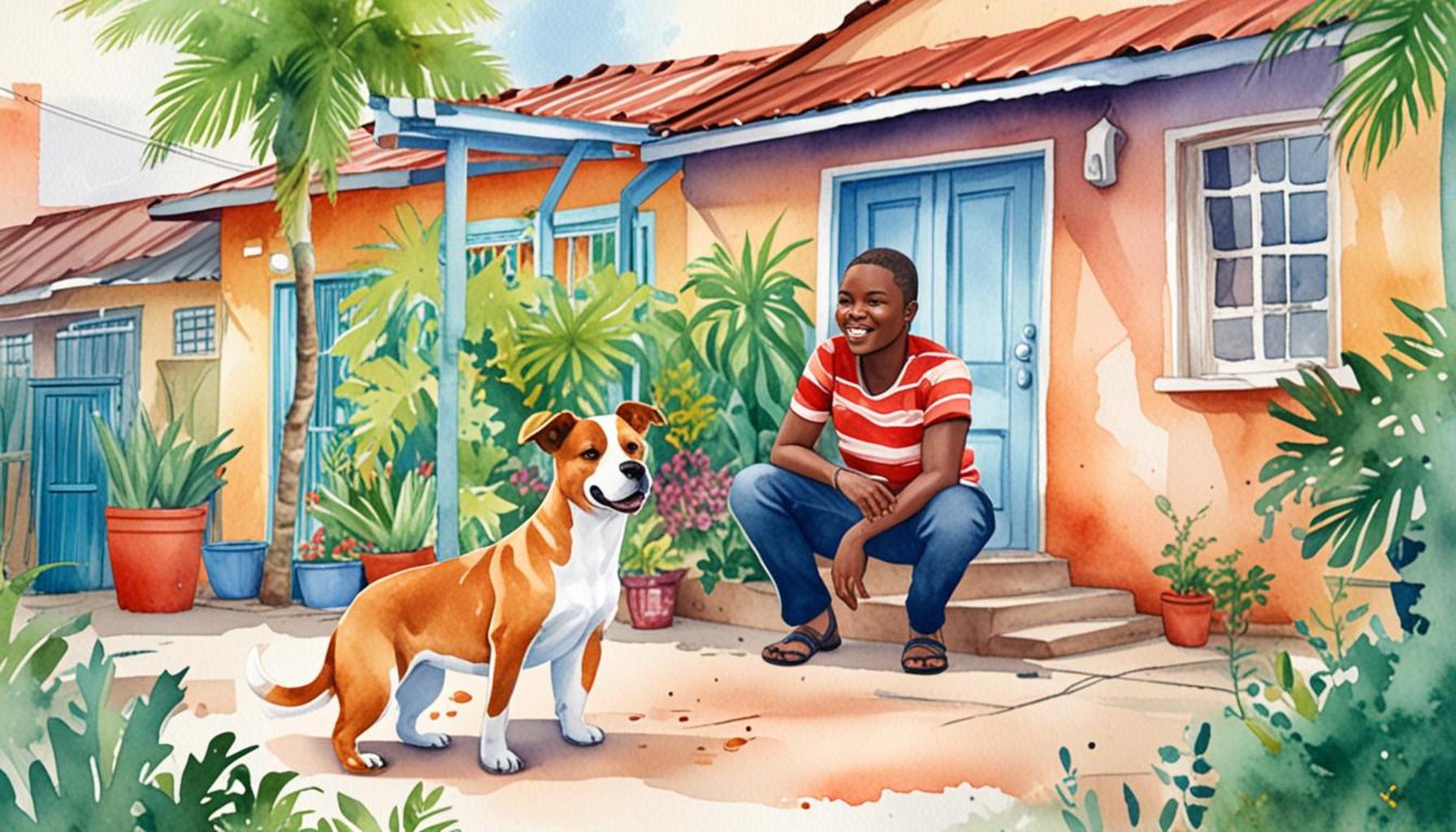
Pet Adoption and the Importance of Sterilization: A Guide for New Owners
Welcome to the Journey of Pet Ownership
Bringing a pet into your home is a life-changing experience filled with joy, companionship, and responsibilities. In Nigeria, a country where pet ownership is steadily gaining popularity amid urbanization and changing lifestyles, understanding how to care for a new furry friend has never been more crucial.
This guide will elucidate two significant aspects of responsible pet ownership: pet adoption and the importance of sterilization. By exploring these topics, you’ll gain insights that will not only improve your life but will also positively impact the world around you.
Why Adopt?
Adopting a pet goes far beyond simply finding a new companion. It represents a commitment to improving the world for animals within your community. Here are some compelling reasons to consider adopting:
- Saving Lives: Many shelters in Nigeria, such as the Lagos Animal Rights and Rescue Organization, are often inundated with strays and abandoned animals. When you adopt, you’re not just gaining a pet; you’re actively participating in reducing the number of lives lost to euthanasia. Each adoption alleviates the burden on shelters.
- Variety: Shelters offer an array of breeds and ages. For example, whether you prefer a playful puppy or a calm older dog, you will find a perfect match in these facilities. Additionally, you may discover unique local breeds that are not readily available through commercial breeders.
- Cost-effective: Adoption fees, typically ranging from 5,000 to 15,000 Naira, are much lower than purchasing from breeders. Moreover, these fees often cover essential services like vaccinations, deworming, and initial health checks, making adoption not only a noble choice but also a financially wise one.
The Role of Sterilization
Sterilization is a crucial step in responsible pet ownership that carries significant health and societal benefits. It is essential to grasp its importance in addressing various community issues:
- Population Control: Sterilizing your pet prevents unwanted litters, helping to significantly reduce the number of pets in shelters and on the streets. With Nigeria’s rising stray animal population, this step becomes vital in curbing overpopulation issues and reducing the number of animals suffering from neglect.
- Health Benefits: Studies indicate that sterilized pets can live longer, healthier lives. For instance, female pets that are spayed have a lower risk of breast cancer and uterine infections, while neutered males may avoid testicular cancer and aggressive behaviors that often result in conflicts.
- Community Impact: A lower stray population leads to safer, cleaner neighborhoods for everyone. With fewer roaming animals, there are reduced risks of accidents, dog bites, and the spread of diseases like rabies and leptospirosis, ultimately promoting a healthier environment.
As you embark on this rewarding journey, understanding both adoption and sterilization will significantly enhance your experience as a new pet owner. Engaging with these topics allows you to make informed decisions that benefit your pet, your family, and your community. By fostering a deep sense of responsibility towards animal welfare, you are contributing to a brighter future for the countless pets that share our lives.
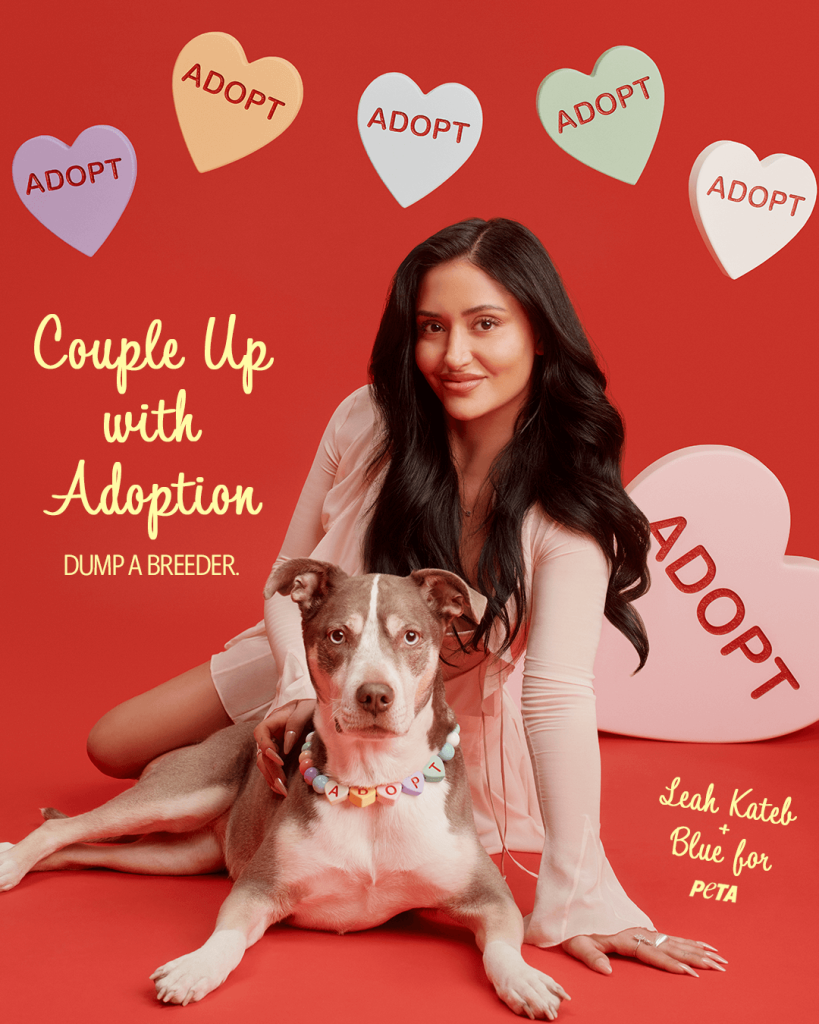
Unpacking the Benefits of Pet Adoption
In the heart of Nigeria, the shift towards seeing pets as family members rather than mere possessions underscores the growing trend of pet adoption. A significant choice that owners make is adopting from local shelters and rescue organizations. This decision nurtures a bond that transcends the ordinary—a connection built on compassion and understanding. It not only enriches your life but also transforms the lives of countless animals abandoned and in need of loving homes.
Adopting a pet is an opportunity to provide a second chance to animals that have faced adversity, and this act of kindness can lead to profound personal satisfaction. But the benefits of adopting extend beyond individual sentiments; they create ripples of positive change throughout the community. Here are some vital reasons you should consider when thinking about pet adoption:
- Human-Animal Bond: Studies reveal that people who adopt pets often experience a stronger emotional connection. Pets can alleviate stress, provide unwavering companionship, and even encourage a more active lifestyle through regular walks and playtime. The joy of seeing a previously abandoned animal flourish in your care is immeasurable.
- Fostering Community Wellbeing: When you adopt a pet, you contribute to the collective well-being of the community. By alleviating the burden on understaffed shelters, you help them focus on rescue efforts and educational outreach about responsible ownership and care.
- Supporting Local Initiatives: Many non-profit shelters are operated by dedicated volunteers who tirelessly strive to find homes for animals. By adopting from these organizations, you support their work, potentially leading to more rescues and proactive measures against animal neglect and cruelty.
Understanding Sterilization: It’s More Than Just a Procedure
As enticing as the thought of adopting an adorable puppy or kitten might be, new owners must not overlook the importance of sterilization. This is an essential aspect of responsible pet ownership that addresses both personal and societal challenges linked to pet overpopulation. Here’s why every new pet owner should prioritize this vital step:
- Managing the Overflow: In urban areas like Lagos, the stray animal population is a pressing concern. Sterilizing your pet directly contributes to controlling this issue, leading to fewer strays and ensuring that shelters are not overwhelmed. This collective effort is critical in maintaining a balanced ecosystem where animals live in harmony with humans.
- Promoting Longer Life: The health benefits of sterilization are noteworthy. Research indicates that pets who undergo sterilization tend to have longer life spans. For example, spaying female dogs significantly reduces the risk of certain cancers, while neutering male dogs mitigates aggressive behaviors that can cause community disputes.
- Enhancing Safety and Health: Fewer strays lead to safer neighborhoods. Unsterilized animals often wander in search of mates, resulting in increased territorial disputes and accidents. Moreover, the risk of zoonotic diseases is diminished with a reduced stray population—a crucial factor for public health in Nigeria.
In sum, embracing pet adoption while recognizing the significance of sterilization molds responsible pet owners who are in tune with both their furry companions and the broader community. As you prepare for life with your new pet, reflecting on these commitments will enhance not only your pet’s quality of life but also create a nurturing environment for all animals in your vicinity.
| Advantage | Description |
|---|---|
| Reduced Overpopulation | Sterilization helps to control the pet population, leading to fewer homeless animals and overcrowded shelters. |
| Health Benefits | Pets that are spayed or neutered often enjoy better health, reducing the risk of certain cancers and behavioral issues. |
| Cost Efficiency | By adopting and sterilizing pets, owners save on potential costs related to unwanted litters and health problems. |
Understanding the significance of pet adoption and the process of sterilization is crucial for new pet owners. Not only does it impact the welfare of countless animals, but it also forms a cornerstone for responsible pet ownership. By welcoming a furry companion into your home and making informed choices about their reproductive health, you play a vital role in reducing the number of stray animals and providing loving homes to those in need. The journey of pet ownership is not merely about companionship but carries a responsibility toward the greater community of pets and their future. Delve deeper into the compelling narrative of adoption and sterilization, and discover how your actions can create profound ripple effects in the lives of pets and communities alike.
The Responsibility of Being a Pet Owner
Welcoming a new pet into your home transcends mere companionship; it is a commitment that signifies duty and caring. In Nigeria, where the pet culture is gradually evolving, understanding the responsibilities associated with pet ownership is essential for fostering a safe, healthy environment for both pets and the community. New owners must embrace this journey with foresight and an open heart, fully aware of what pet ownership entails.
- Educating Yourself: Before adopting, take the time to educate yourself about the behavior, needs, and health concerns of the specific type of pet you’re considering. Resources are increasingly available, from online pet-owner forums to local workshops held by animal shelters. Understanding your pet’s breed or species can provide insight into their unique needs, offering a smoother transition for both you and your new companion.
- Financial Responsibility: Owning a pet is not just about the initial adoption fee; it also includes ongoing expenses such as food, veterinary care, grooming, and training. In Nigeria, the cost of veterinary care may vary, but budgeting for regular check-ups and vaccinations is crucial to keep your pet healthy and prevent the spread of diseases within the community.
- Socialization and Training: A well-socialized pet not only integrates better into family life but also adapts to the community environments they will encounter. Participating in puppy or kitten training classes can be beneficial, enhancing communication between you and your pet while encouraging positive interaction with others. Furthermore, many shelters offer free or low-cost training courses, making it accessible for all new pet owners.
The Role of Community in Responsible Pet Ownership
The impact of responsible pet ownership is profound and extends beyond the individual household to the broader community. By setting a positive example, new owners can help shape public perceptions and behaviors regarding pets throughout Nigeria.
- Promoting Sterilization Awareness: Share insights and knowledge about the benefits of sterilization within your community. Creating awareness can help others understand that sterilization is not merely a procedure but a vital aspect of responsible pet ownership. You can organize or participate in informational sessions at local schools, churches, or community centers to highlight its importance.
- Engaging with Local Shelters: Building relationships with local shelters and rescue organizations strengthens community efforts. Many shelters depend on volunteers to assist in their operations, and new pet owners can foster a sense of unity by helping with events, adoption drives, and fundraising initiatives. By being an active participant, you contribute to a network that prioritizes animal welfare.
- Supporting Responsible Breeding Practices: The discussion on pet adoption must also encompass responsible breeding. Not all animals come from shelters, and it is essential for potential owners to recognize the importance of supporting ethical breeders who prioritize animal welfare. Engage with breeders who perform genetic testing and health screenings to ensure their animals are both healthy and well cared for.
The journey of pet ownership is a powerful experience filled with learning and growth. By understanding the nuances of pet adoption and the critical role of sterilization, new owners can nurture a positive environment for themselves, their pets, and the community at large. As the pet culture in Nigeria continues to evolve, embracing these responsibilities fosters a cycle of compassion and care that stands to benefit countless lives.
Conclusion: Embracing a New Era of Pet Ownership
As we reach the end of this guide on pet adoption and the significance of sterilization, it’s crucial to recognize that responsible pet ownership starts with informed decisions. The commitment of adopting a pet goes beyond merely providing a home; it is about creating an environment where love, care, and responsibility flourish. By understanding the financial aspects, engaging in socialization, and promoting sterilization, new pet owners can contribute to a healthier pet population and reduce the burden on shelters.
In Nigeria, the gradual shift toward valuing pets as family members indicates a promising trajectory for animal welfare. Nevertheless, challenges persist, and each pet owner has a vital role in overcoming them. The ripple effect of individual efforts can lead to a community enriched with compassion. Whether you’re educating others about sterilization or collaborating with local shelters, your involvement matters. It cultivates a culture that respects the rights of animals and enhances public perception toward pet ownership.
As you embark on this fulfilling journey, remember that your actions resonate beyond your household. Each responsible choice fosters a legacy of care that will shape the future of pet ownership in Nigeria. By championing ethical practices and understanding the nuances of pet adoption, you hold the power to create lasting change, ensuring a more harmonious coexistence between people and their furry companions. Together, let’s embody the principles of compassion and responsibility, making every adopted pet a cherished member of the family.